DK Omnivore DietDK017
Success: Available from stock
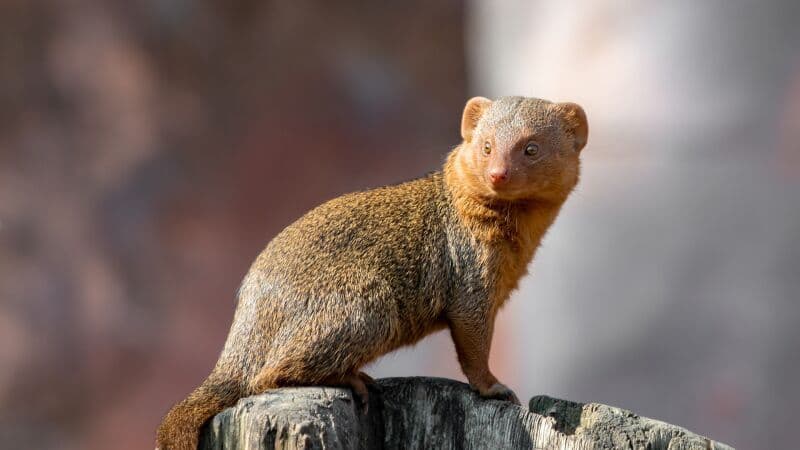
More informationNatural diet Dwarf mongoose
Although dwarf mongooses are technically carnivores, their diet is quite diverse and has omnivorous tendencies. Its diet primarily consists of a variety of insects, small reptiles and rodents. Besides this, they also hunt for bird nests. Occasionally, the diet is supplemented with some fruits like berries.

8-12%
If an animal weighs 0.3 kg and eats 10% of its body weight, it will get
0.3 x 0.1 = 0.03 kg feed in total per day
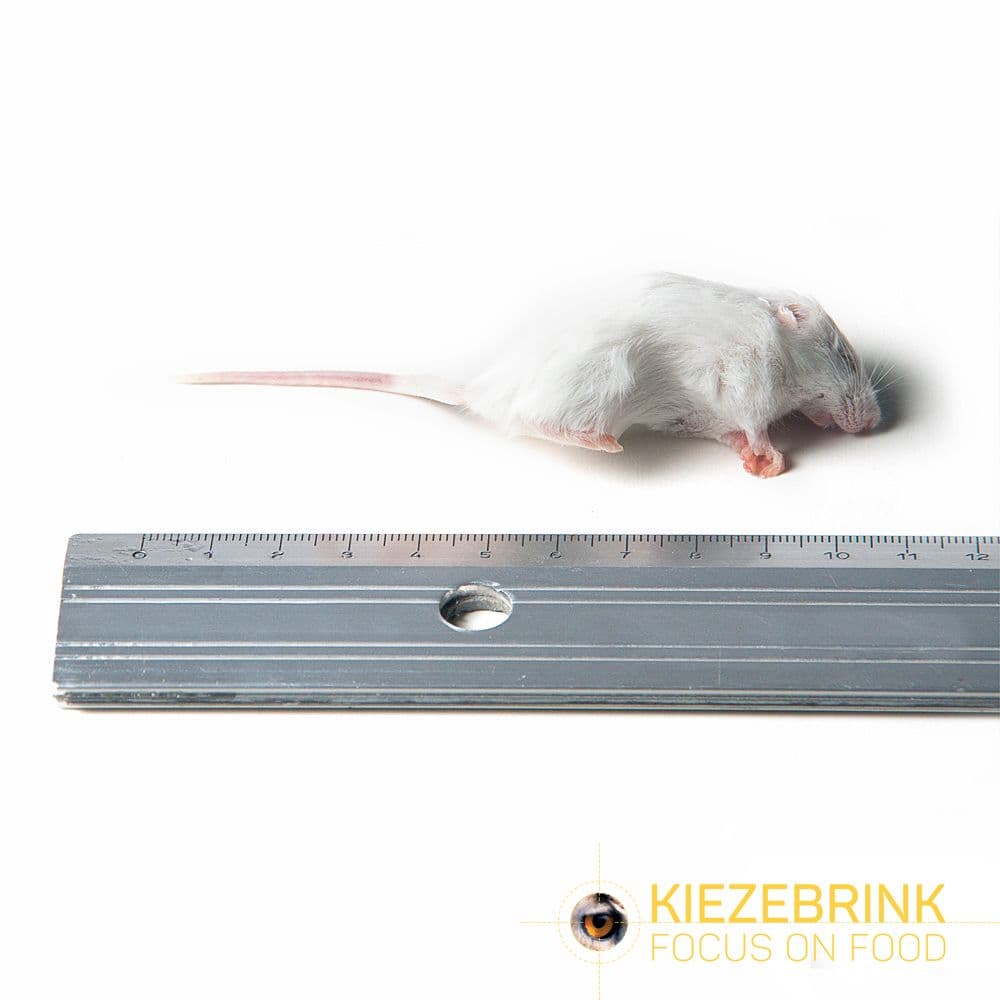
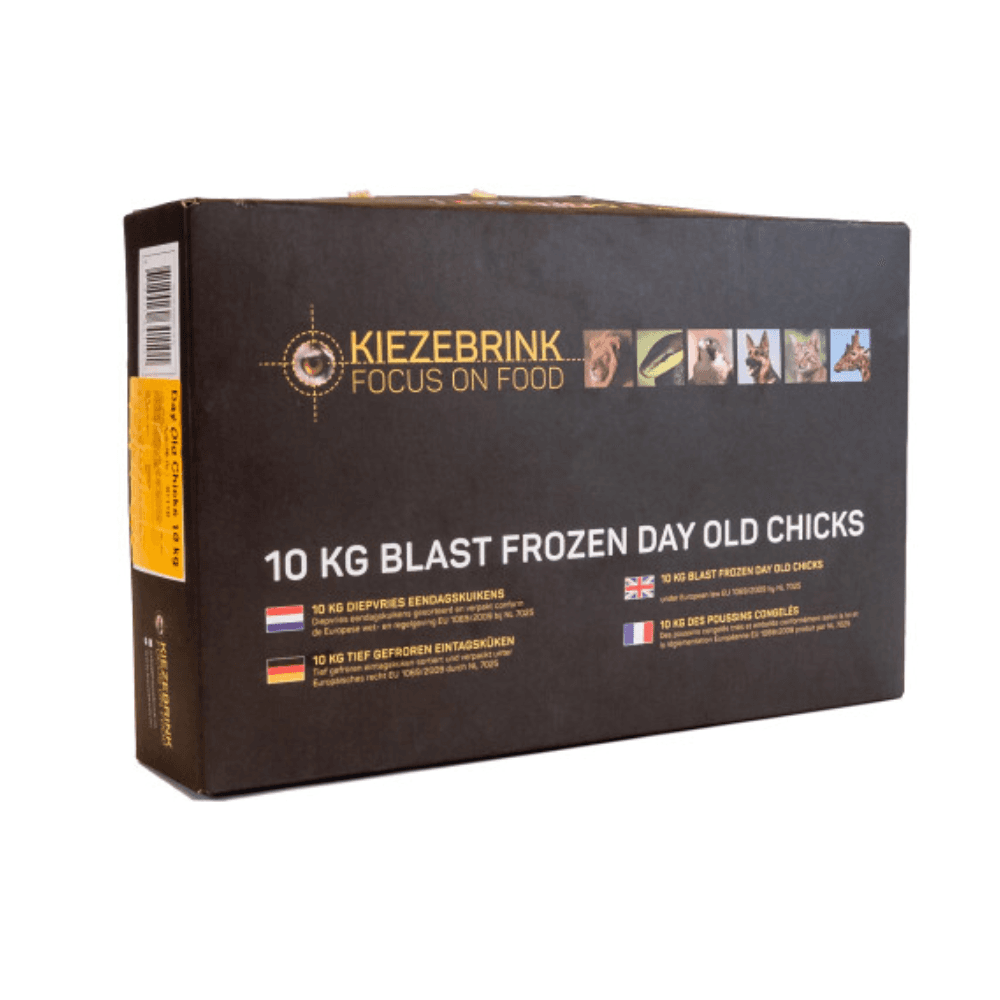
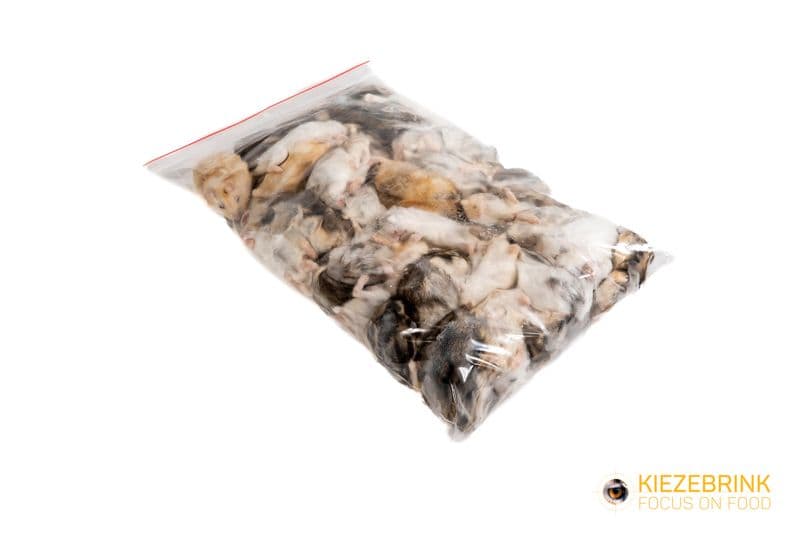
70% Meat and whole prey
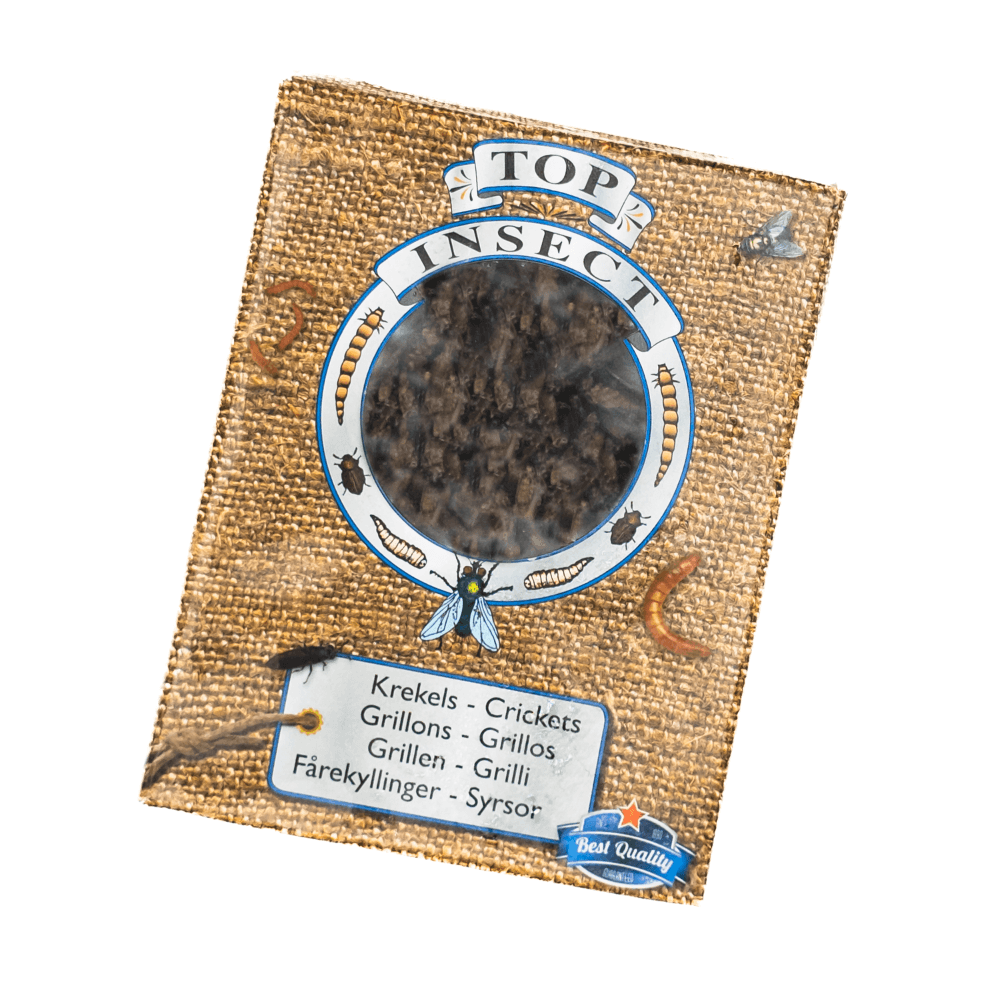
15% Insects and other invertebrates
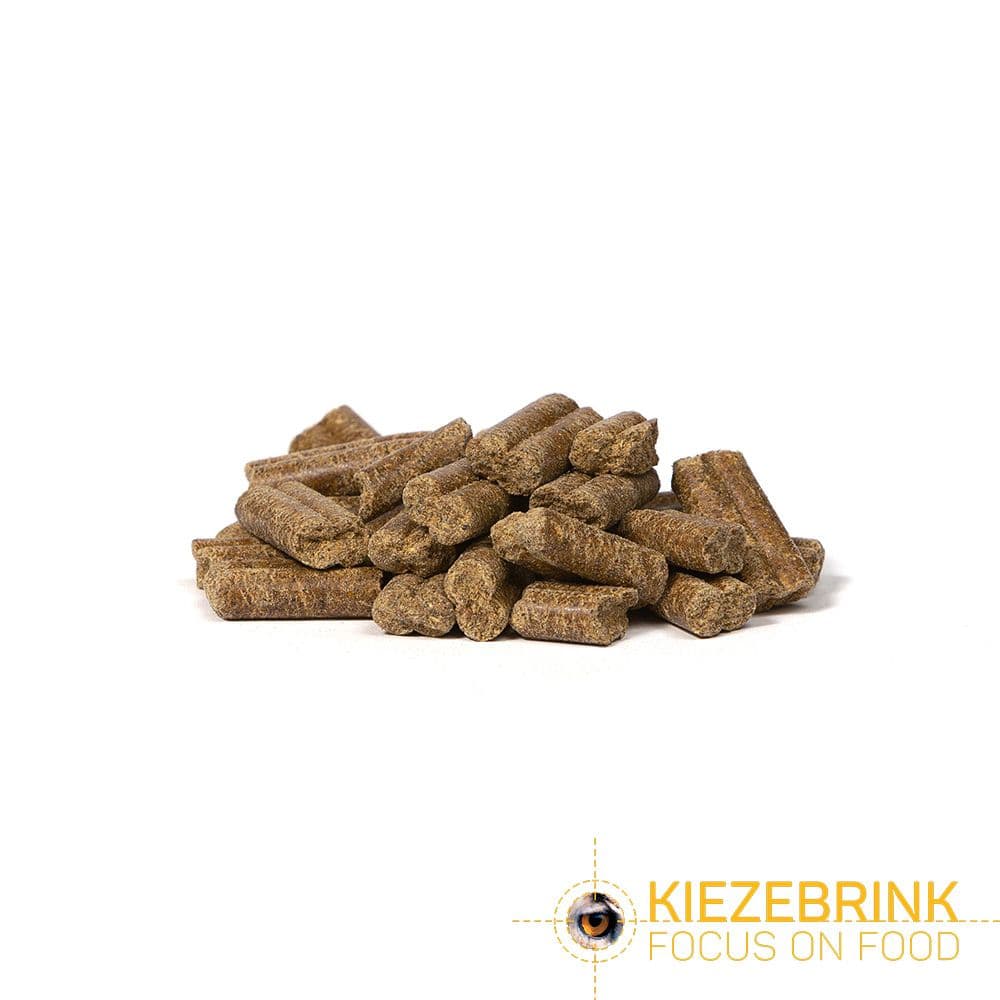
15% Concentrates
0.7 x 0.03 kg = 21 g meat and whole prey
0.15 x 0.03 kg = 5 g insects and other invertebrates
0.15 x 0.03 kg = 5 g concentrates
8-12%
If an animal weighs 0.3 kg and eats 10% of its body weight, it will get
0.3 x 0.1 = 0.03 kg feed in total per day
70% Meat and whole prey
15% Insects and other invertebrates
15% Concentrates
0.7 x 0.03 kg = 21 g meat and whole prey
0.15 x 0.03 kg = 5 g insects and other invertebrates
0.15 x 0.03 kg = 5 g concentrates
Variety of insects
Whole prey
Pellets
Root vegetables
Eggs
Fruits
An unbalanced diet may result in one of these more commonly occurring diseases/conditions:
Variety of insects
Whole prey
Pellets
Root vegetables
Eggs
Fruits
An unbalanced diet may result in one of these more commonly occurring diseases/conditions: