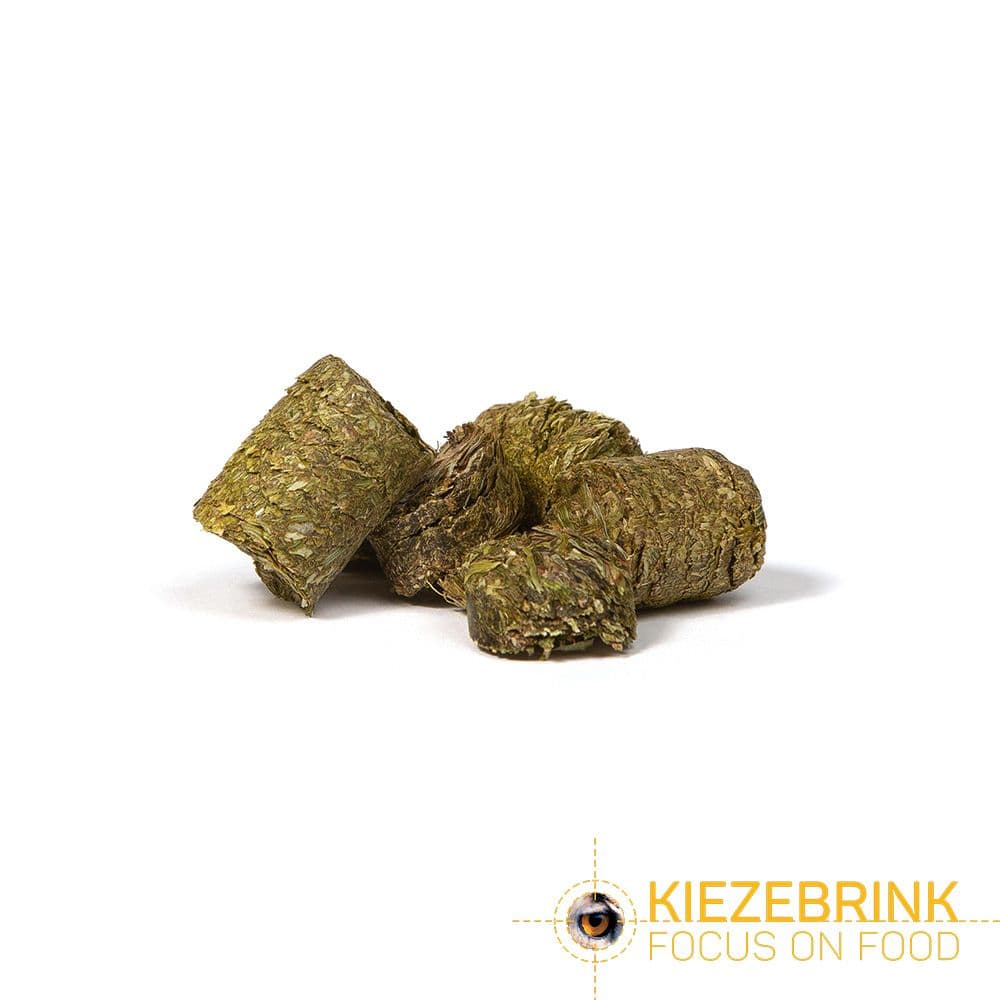
Tortoise DietNZ104
Success: Available from stock
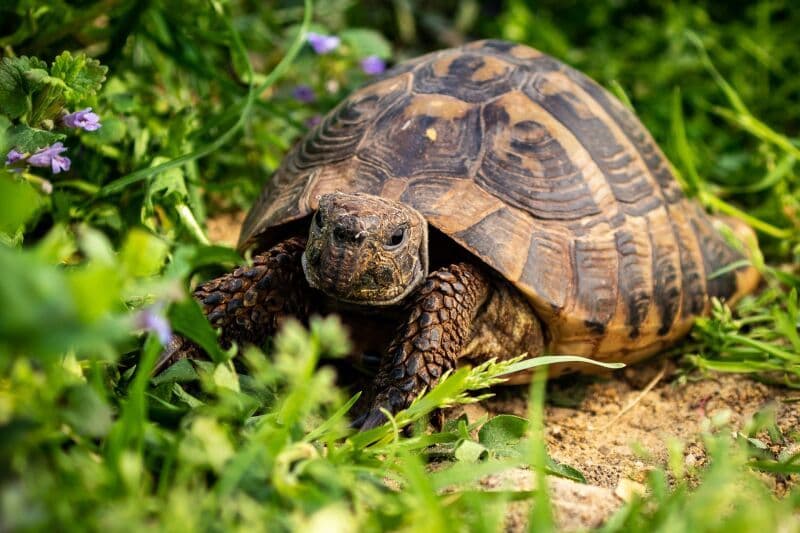
More informationNatural diet Hermanns Tortoise
Hermann’s tortoises have a herbivorous diet. Although their diet is dependent on the population (eastern or western), territory and seasonal availability, it primarily includes a variety of plants and herbs. Opportunistically, also some insects may be consumed.



10%
If an animal weighs 2 kg and eats 10% of its body weight, it will get
2 x 0.1 = 0.2 kg feed in total per day
1% Supplements
9% Concentrates
40% Leafy greens and cabbages
50% Browse
0.01 x 0.2 kg = 2 g supplements
0.09 x 0.2 kg = 18 g concentrates
0.4 x 0.2 kg = 80 g leafy greens and cabbages
0.5 x 0.2 kg = 100 g browse
10%
If an animal weighs 2 kg and eats 10% of its body weight, it will get
2 x 0.1 = 0.2 kg feed in total per day
1% Supplements
9% Concentrates
40% Leafy greens and cabbages
50% Browse
0.01 x 0.2 kg = 2 g supplements
0.09 x 0.2 kg = 18 g concentrates
0.4 x 0.2 kg = 80 g leafy greens and cabbages
0.5 x 0.2 kg = 100 g browse
Variety of hay (grass, timothy)
Variety of browse
Leafy vegetables
Supplements
Fruits
Celery
An unbalanced diet may result in one of these more commonly occurring diseases/conditions:
Variety of hay (grass, timothy)
Variety of browse
Leafy vegetables
Supplements
Fruits
Celery
An unbalanced diet may result in one of these more commonly occurring diseases/conditions: