Success: Available from stock
More informationOmnivorous fish
Spp.
Natural diet Omnivorous fish
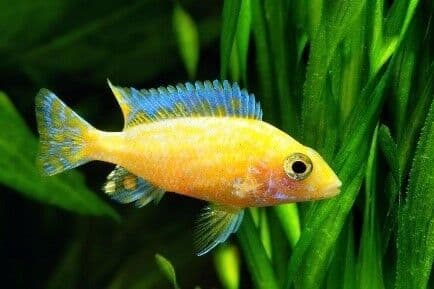
Omnivorous fish is a group of species that consumes a mixture of aquatic organisms and plant material. Some species may also consume insects, seeds, carrion and invertebrates like worms.
Feeding advice Omnivorous fish
Feed quantity per day
1-15%
Sample percentage calculation
If an animal weighs 0.05 kg and eats 5% of its body weight, it will get
0.05 x 0.05 = 0 kg feed in total per day
Feed composition
40% Fish products
50% Concentrates
10% Other
Proportions (fresh product)
0.4 x 0 kg = 1 g fish products
0.5 x 0 kg = 1 g concentrates
0.1 x 0 kg = 0 g other
Feeding advice Omnivorous fish
Feed quantity per day
1-15%
Sample percentage calculation
If an animal weighs 0.05 kg and eats 5% of its body weight, it will get
0.05 x 0.05 = 0 kg feed in total per day
Feed composition
40% Fish products
50% Concentrates
10% Other
Proportions (fresh product)
0.4 x 0 kg = 1 g fish products
0.5 x 0 kg = 1 g concentrates
0.1 x 0 kg = 0 g other
Diet Suggestions
Recommended
Concentrates / gel
Live feed
Frozen feed
Small fish
Not recommended
Live prey (except for microorganisms)
Common diseases
An unbalanced diet may result in one of these more commonly occurring diseases/conditions:
- Poor water quality (can lead to ammonia poisoning)
- Gill impairment
- Columnaris
Additional advice
- Divide the “Feed quantity per day” over at least two feeding moments per day.
- The food should be consumed within 15-30 minutes.
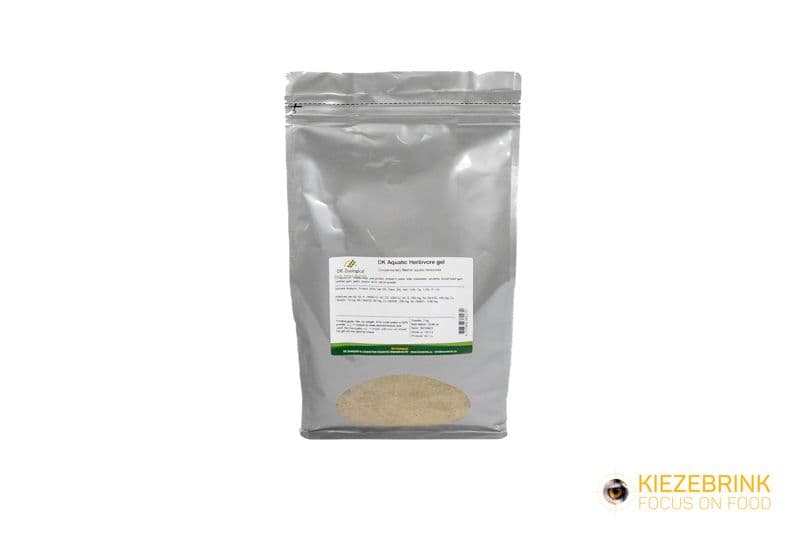
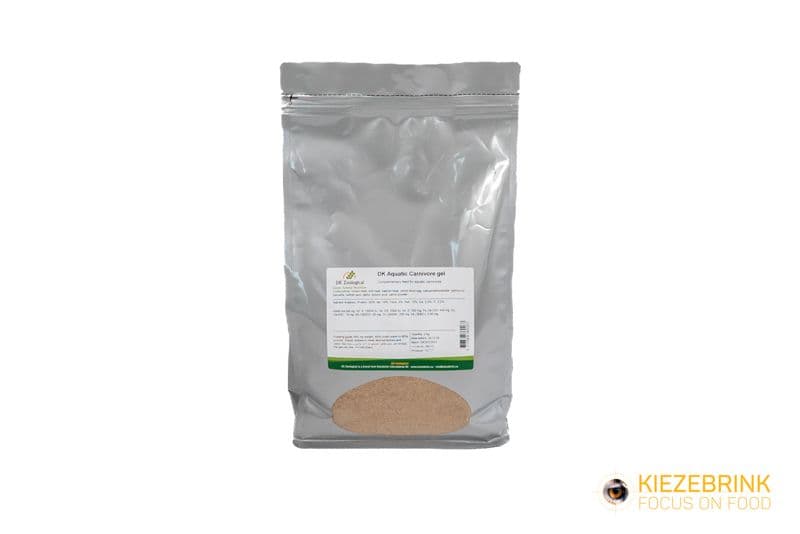
- Depending on the fish species, supplement the diet with aquatic gel, live feed, frozen feed or small fish.
- A mixture of carnivorous and herbivorous aquatic gels can be fed.
- Use floating or sinking concentrates, depending on the preference of the fish species.
- Make sure that the water quality parameters are maintained within pre-set ranges, as this is essential for proper welfare and health.
Diet Suggestions
Recommended
Concentrates / gel
Live feed
Frozen feed
Small fish
Not recommended
Live prey (except for microorganisms)
Common diseases
An unbalanced diet may result in one of these more commonly occurring diseases/conditions:
- Poor water quality (can lead to ammonia poisoning)
- Gill impairment
- Columnaris
Species within this group
- Tiger Fish
- Goldfish
- American cichlid
- African Cichlid
- Guppy
- Angelfish
- Barbs
- Catfish (juv.)
- Danios/Minnows
- Gouramis
- Hatchets
- Livebearers
- Rainbowfish
- Rasboras