DK Omnivore DietDK017
Success: Available from stock
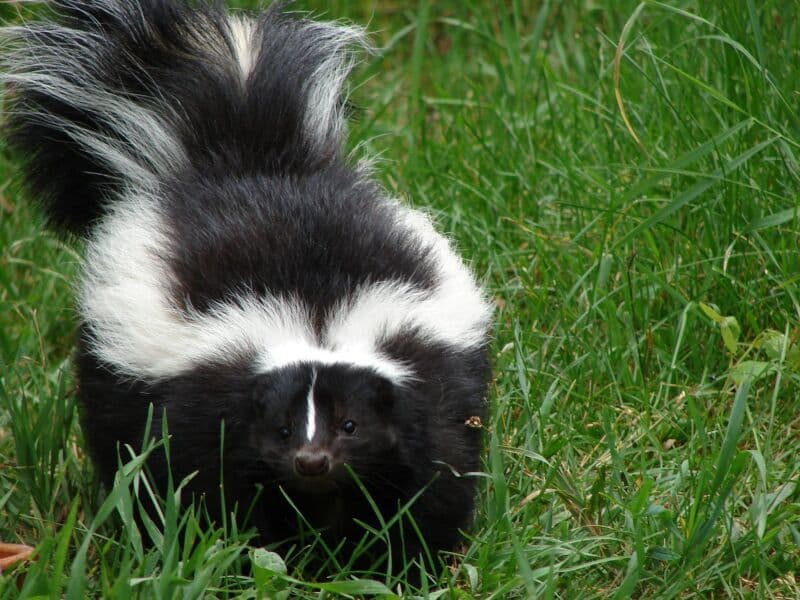
More informationNatural diet Striped skunk
The striped skunk is an opportunistic omnivorous species. Its diet is very diverse and dependent on the region and time of year. The diet may include: insects, small mammals, leaves, grasses, carrion and more.


3-5%
If an animal weighs 4 kg and eats 3% of its body weight, it will get
4 x 0.03 = 0.12 kg feed in total per day
40% Meat and whole prey
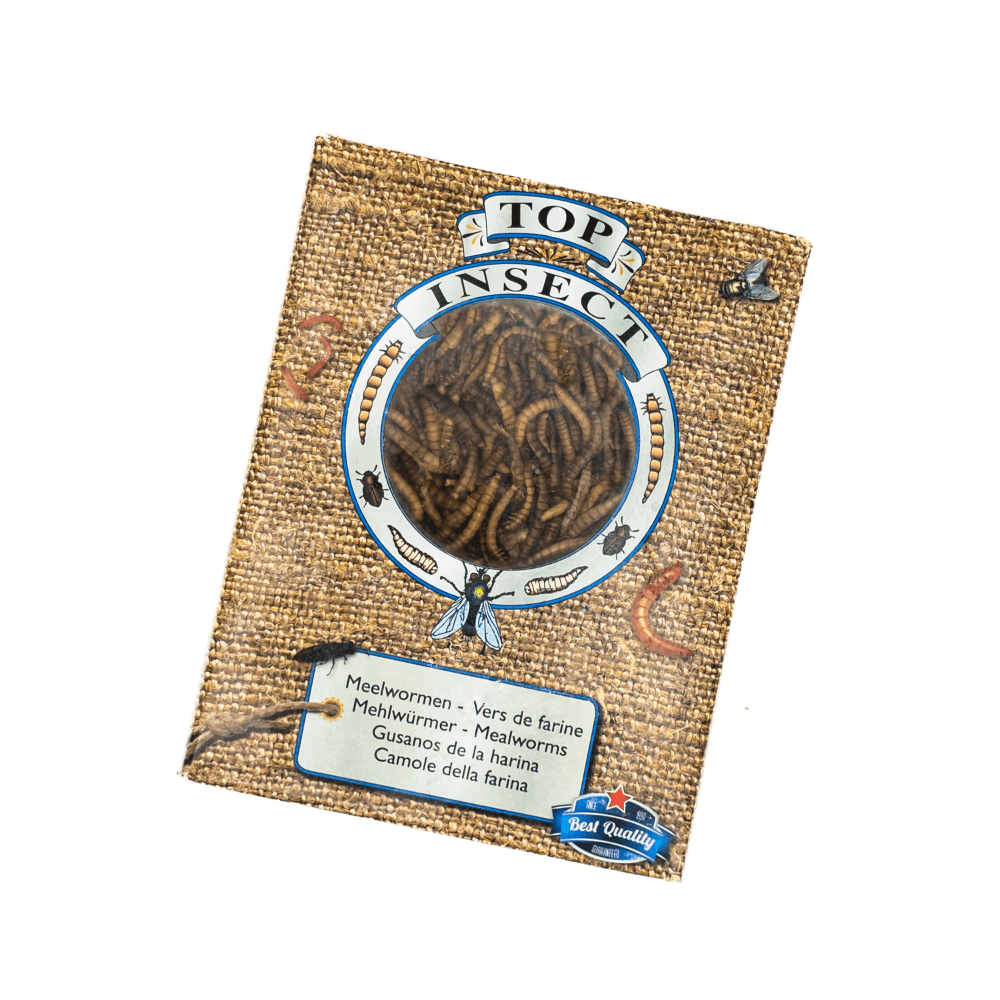
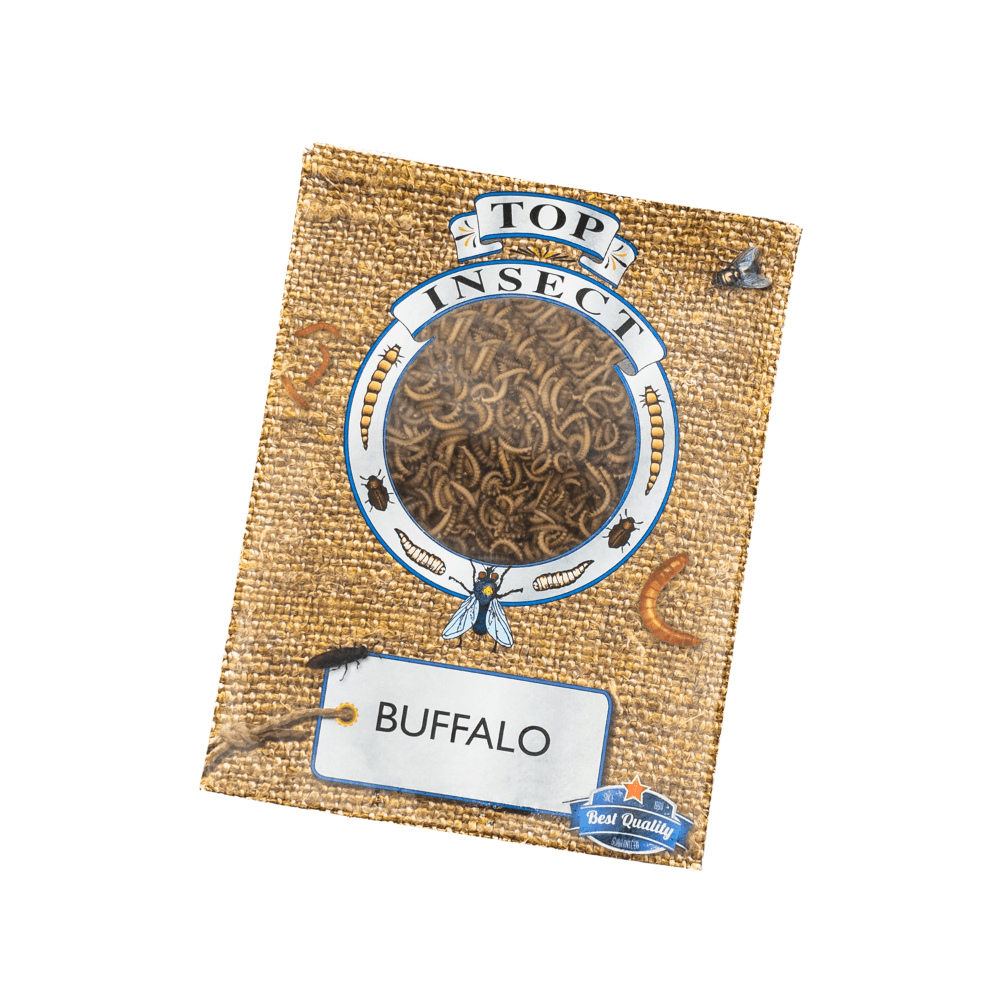
30% Insects and other invertebrates
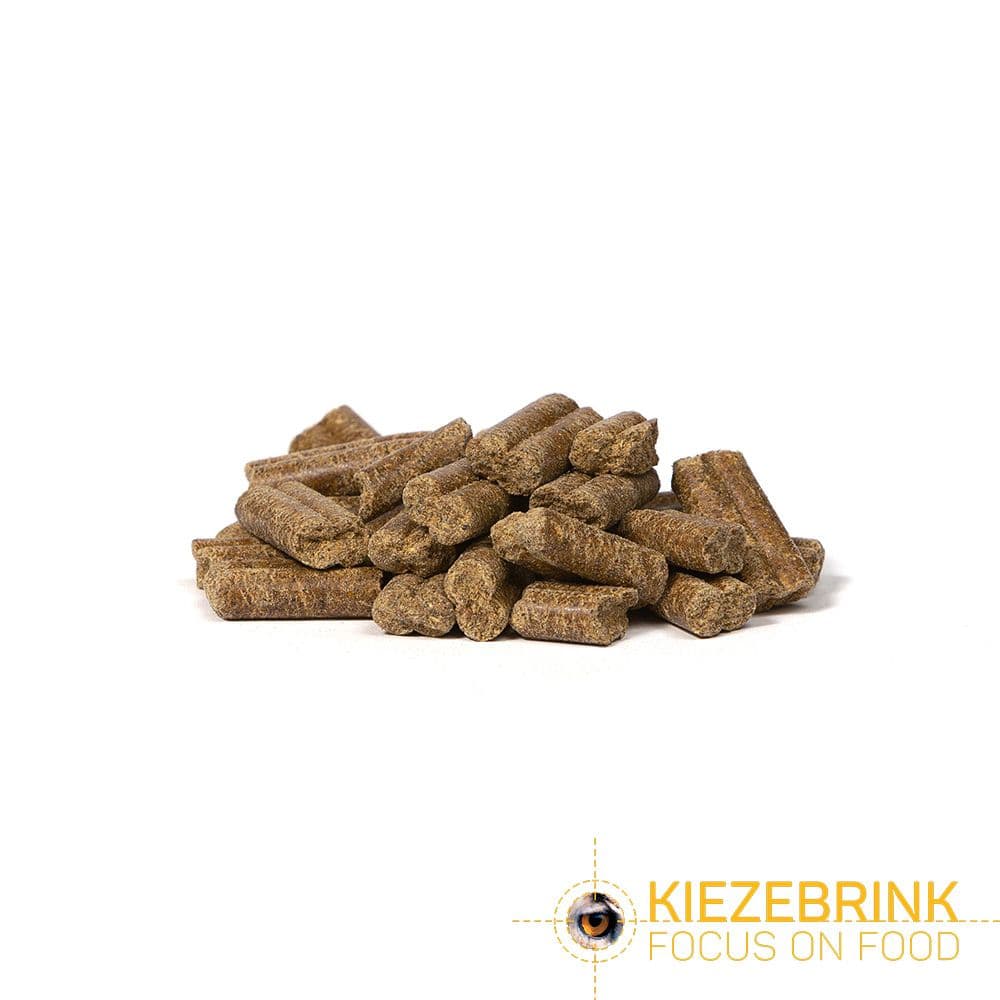
15% Concentrates
10% Other vegetables
5% Other
0.4 x 0.12 kg = 48 g meat and whole prey
0.3 x 0.12 kg = 36 g insects and other invertebrates
0.15 x 0.12 kg = 18 g concentrates
0.1 x 0.12 kg = 12 g other vegetables
0.05 x 0.12 kg = 6 g other
3-5%
If an animal weighs 4 kg and eats 3% of its body weight, it will get
4 x 0.03 = 0.12 kg feed in total per day
40% Meat and whole prey
30% Insects and other invertebrates
15% Concentrates
10% Other vegetables
5% Other
0.4 x 0.12 kg = 48 g meat and whole prey
0.3 x 0.12 kg = 36 g insects and other invertebrates
0.15 x 0.12 kg = 18 g concentrates
0.1 x 0.12 kg = 12 g other vegetables
0.05 x 0.12 kg = 6 g other
Variety of insects
Variety of vertebrates (mice and chicks)
Live insects
Variety of vegetables
Eggs
Fruits
An unbalanced diet may result in one of these more commonly occurring diseases/conditions:
Variety of insects
Variety of vertebrates (mice and chicks)
Live insects
Variety of vegetables
Eggs
Fruits
An unbalanced diet may result in one of these more commonly occurring diseases/conditions: